
Artikel Berita
Dua Mahasiswa Fisipol UGM Gabung Tim Kembangkan Solusi Sosioteknik Tanggulangi Ancaman Banjir Rob Muara Baru
02 September 2026
Yogyakarta, 2 September 2026─Lima mahasiswa Universitas Gadjah Mada (UGM) yang tergabung dalam Tim Pekan Kreativitas Mahasiswa Riset Sosial Humaniora (PKM-RSH) mengembangkan pendekatan sosioteknik untuk menanggulangi ancaman banjir rob di kawasan Muara Baru. Dua di antaranya merupakan mahasiswa Fakultas Ilmu Sosial ...
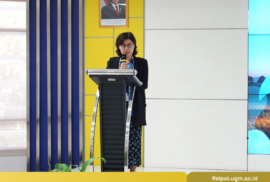
Institute of International Studies (IIS) UGM Gelar Konferensi Internasional Gender-Responsive Humanitarian, Development, and Peace (HDP) Nexus
28 Agustus 2026
Yogyakarta, 28 Agustus 2026ㅡBerkolaborasi dengan Seoul Women's University, UN Women, dan KOICA, IIS UGM melangsungkan acara International Conference on the Gender-Responsive Humanitarian, Development, and Peace (HDP) Nexus pada Jumat (28/8). Berlangsung secara hybrid di Auditorium Lantai 4 Fisipol UGM dan ...
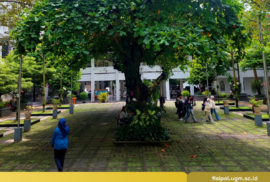
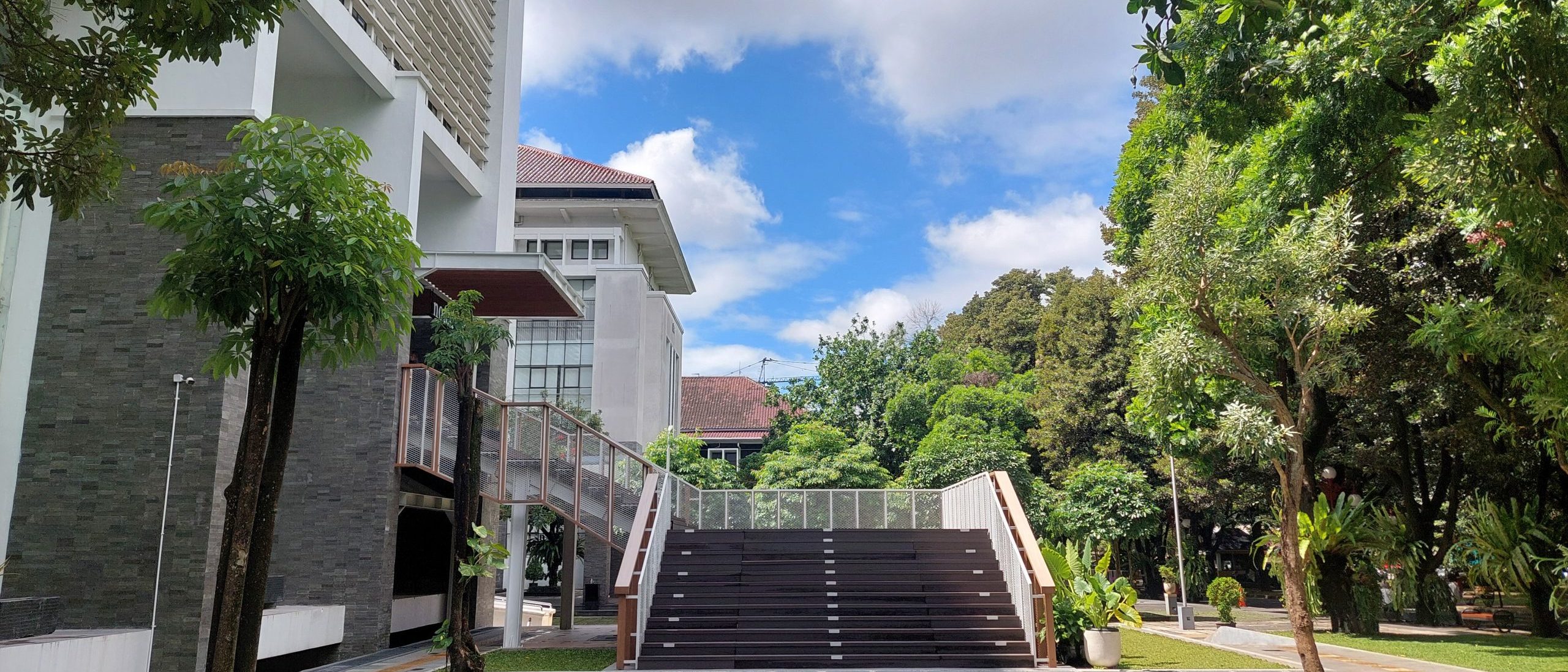
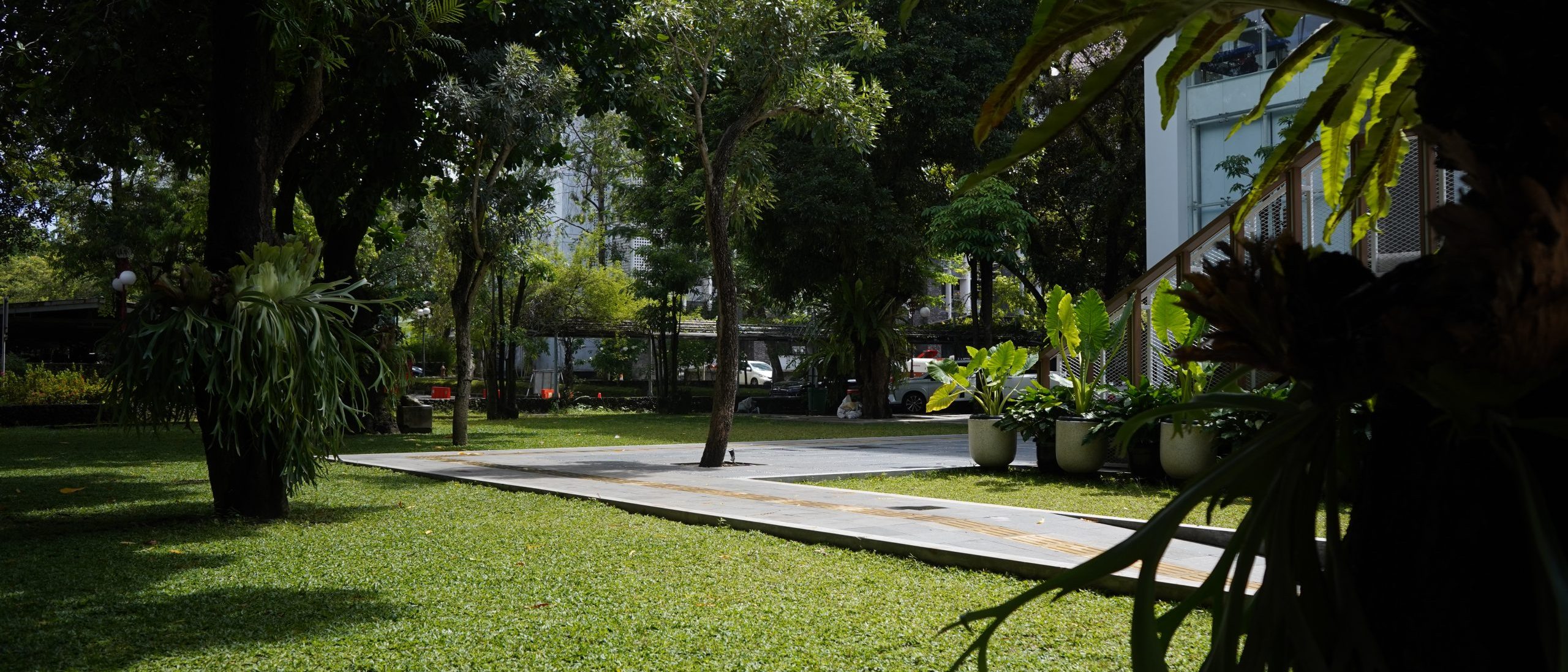
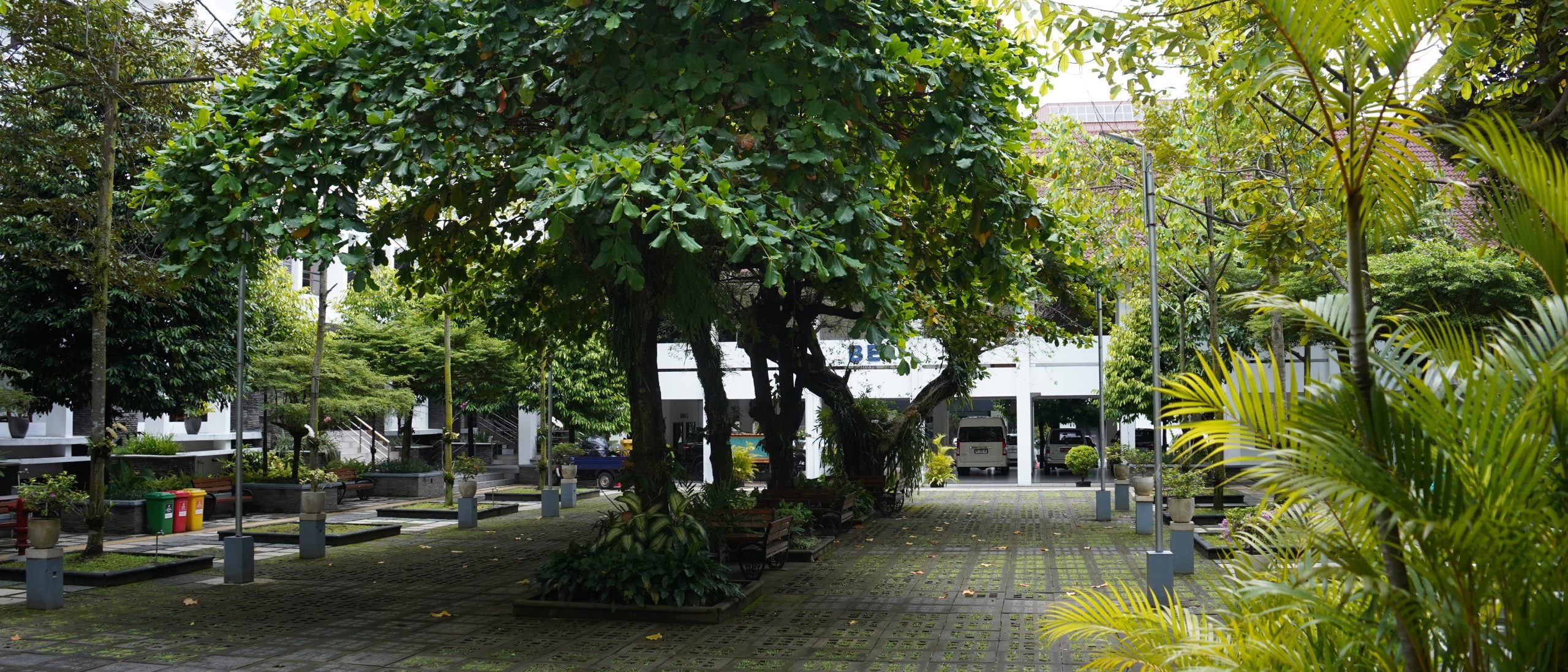
Yogyakarta, 26 Agustus 2026—Di tengah hiruk-pikuk perkuliahan dan kesibukan akademik, Fakultas Ilmu Sosial dan Ilmu Politik (FISIPOL) Universitas Gadjah Mada (UGM) memiliki sebuah ruang terbuka hijau yang menjadi jantung kehidupan mahasiswa, yaitu Taman Sansiro. Lebih dari sekadar area hijau, Taman ...
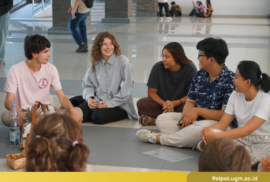
Global Engagement Office (GEO) Selenggarakan Pertemuan Mahasiswa Internasional Program Student Exchange Fall 2026
21 Agustus 2026
Yogyakarta, 21 Agustus 2026—Global Engagement Office (GEO) Fakultas Ilmu Sosial dan Ilmu Politik (FISIPOL) Universitas Gadjah Mada (UGM) menggelar pertemuan bersama mahasiswa program pertukaran pelajar internasional. Kegiatan ini berlangsung penuh keakraban dan secara khusus diadakan untuk menyambut para pelajar asing ...
Departemen





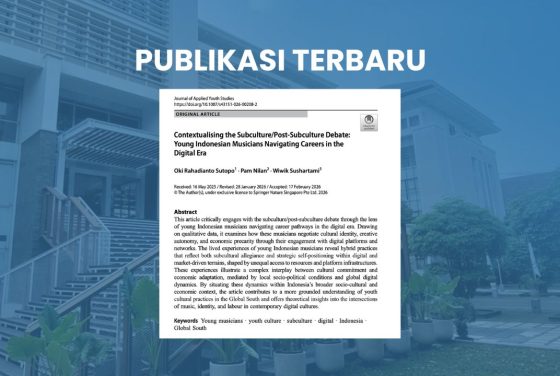
Publikasi Fisipol
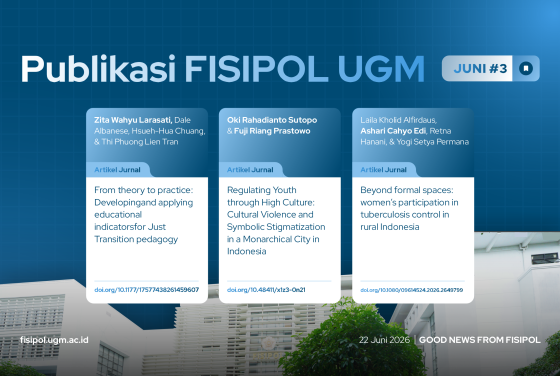
Publikasi Terbaru Juni #3
22 Juni 2026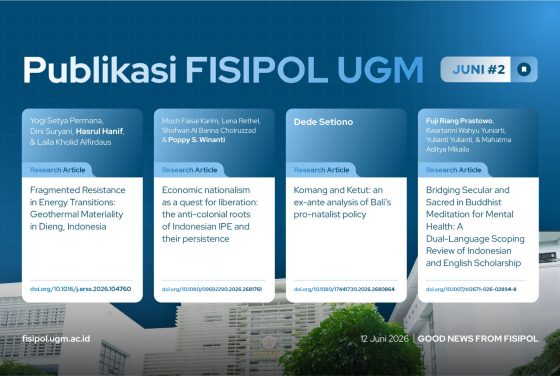
Publikasi Terbaru Edisi Juni #2
12 Juni 2026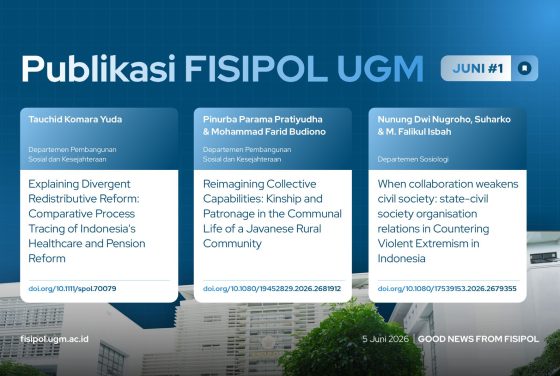
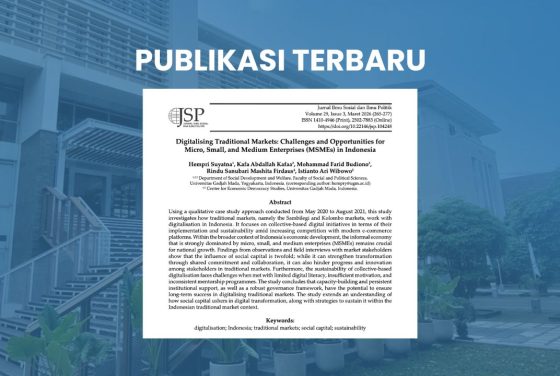
Fisipol Hari Ini
Pranala




Terhubung dengan Kami


