
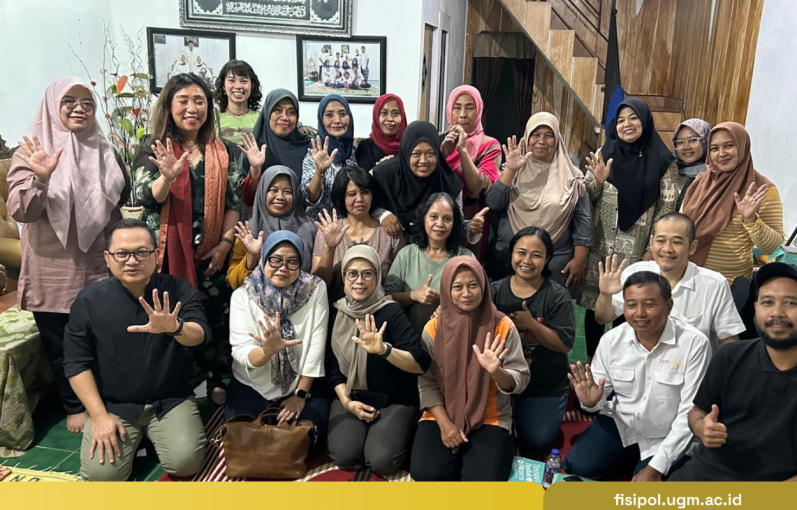
Yogyakarta, 8 June 2026─The Creative Hub of the Faculty of Social and Political Sciences at Universitas Gadjah Mada (FISIPOL UGM), together with partners from the University of New South Wales (UNSW) and the University of Leipzig, conducted an observation and mini-fieldwork study on waste management in RW 05, Terban Village, Gondokusuman, Yogyakarta City.
Indonesia faces challenges in waste management, with a national waste production volume of 23.9 million metric tons per year, 65.45% of which remains poorly managed due to low community participation. The Terban area, located not far from the UGM campus, faces similar issues and was therefore selected as a living laboratory for circular economic transformation through the development of the Gebrak Sampah Ecosystem.
This field research is expected to serve as a platform for designing community-based solutions, given the lack of mechanisms that allow communities to actively participate in designing, implementing, and evaluating waste management solutions tailored to their local conditions. Additionally, the interviews conducted by the team are expected to explore residents’ literacy and knowledge regarding the sorting and processing of organic waste generated by each household.
This activity is part of the EQUITY WCU (World Class University) program, which adopts the University-Community Engagement (UCE) and Community-Based Participatory Research (CBPR) approaches.
The observations focused on RW 05, a densely populated residential and commercial area near the UGM campus. The research team conducted face-to-face interviews with community representatives and several community leaders. “We directly observed the practices of sorting and managing daily household waste in a densely populated urban residential area,” said Nida Khoirun Nisa, a member of the observation team.
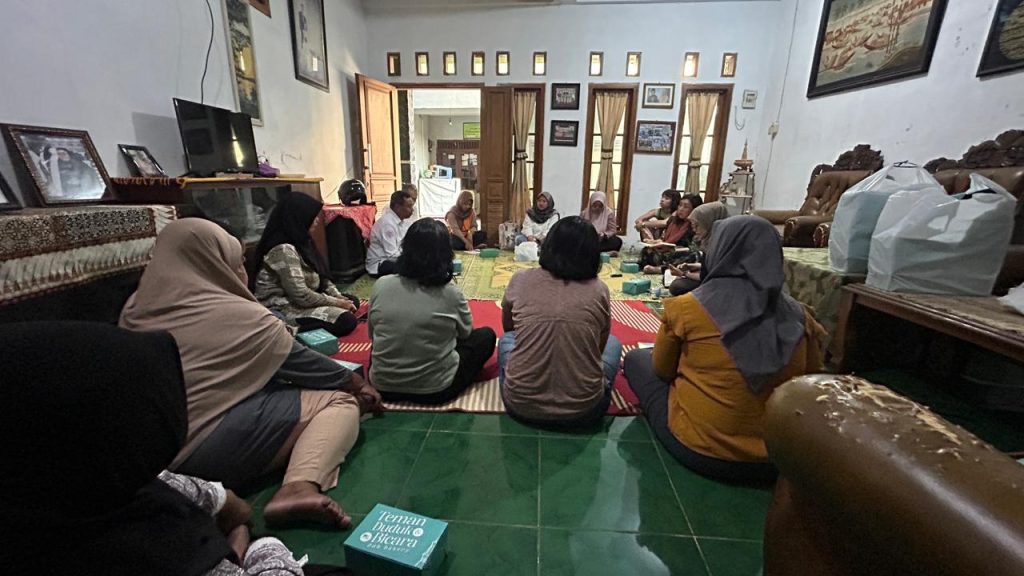
During the interviews, residents were asked a series of questions regarding their perceptions of the Thematic Waste Community Service Program, their level of knowledge about sorting organic, inorganic, residual, and hazardous waste, as well as the biggest challenges in maintaining the habit of sorting after the Community Service students completed their service.
One of the points the team explored was whether residents continued to sort waste independently after the seven-day intensive door-to-door mentoring program. In addition, the team also inquired about the availability of facilities at the RT/RW or kelurahan levels that support household waste management.
The findings from this research are expected to contribute significantly to the development of sustainable waste management practices in Terban, aligning with the Sustainable Development Goals (SDGs) related to access to education, basic literacy, and education for sustainability. By engaging the community in this process, the project aims to enhance local knowledge and practices regarding waste management, ultimately fostering a more sustainable environment.
Creative Hub FISIPOL UGM, in collaboration with its international partners, is taking significant steps towards creating a sustainable future for the residents of Terban. By focusing on education, community engagement, and practical solutions, this initiative aims to transform waste management practices and contribute to the broader goals of sustainability and environmental stewardship.