
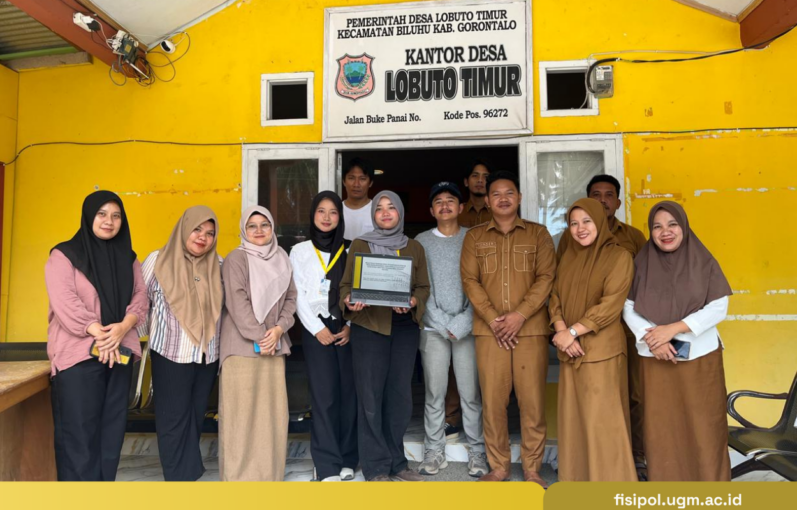
Gorontalo, August 6, 2026—Three students from the Faculty of Social and Political Sciences (FISIPOL) at Universitas Gadjah Mada (UGM) carried out a community service initiative in the southern coastal area of Gorontalo. This activity was conducted as part of UGM’s Student Community Service (KKN-PPM) program—specifically the second period of 2026—running from June to August 2026. The program represents a tangible contribution by students toward addressing the social and economic challenges faced by coastal communities.
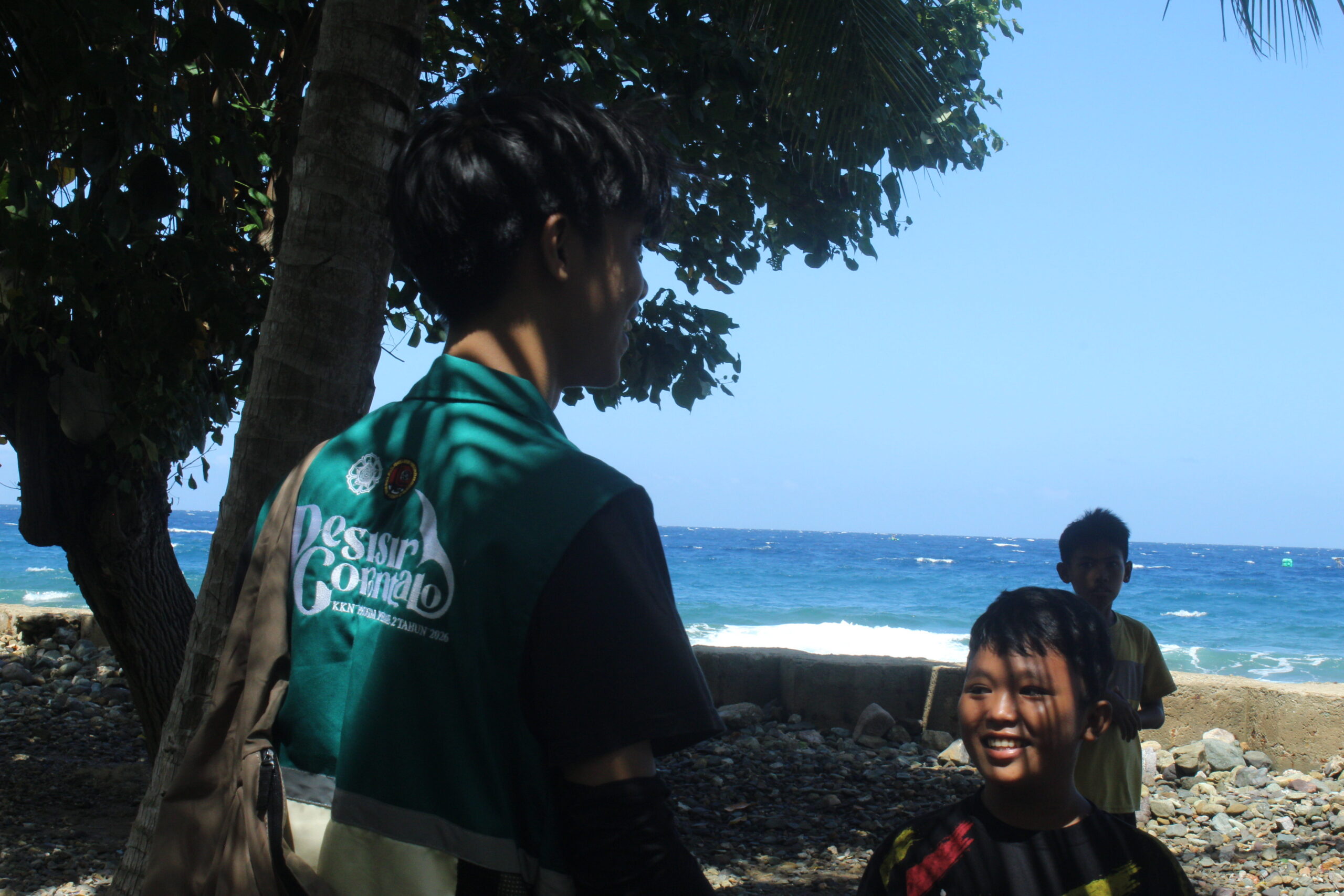
Under the guidance of Hempri Suyatna, S.Sos., M.Si., a lecturer from the Department of Social Development and Welfare, the three FISIPOL students—Upik Maulia (Social Development and Welfare), Dewaku Sahaja (Communication Science), and Maritza Ayushitanaya (Social Development and Welfare)—designed a service program titled “Linking Potential, Building Maritime Assets: Strategies to Strengthen a Sustainable Maritime Tourism Village through a Community-Based Tourism (CBT) Model.” The program received funding support from FISIPOL UGM through the Community Service Program for Student Groups, managed by the Research, Publication, and Community Service Unit (UP3M).
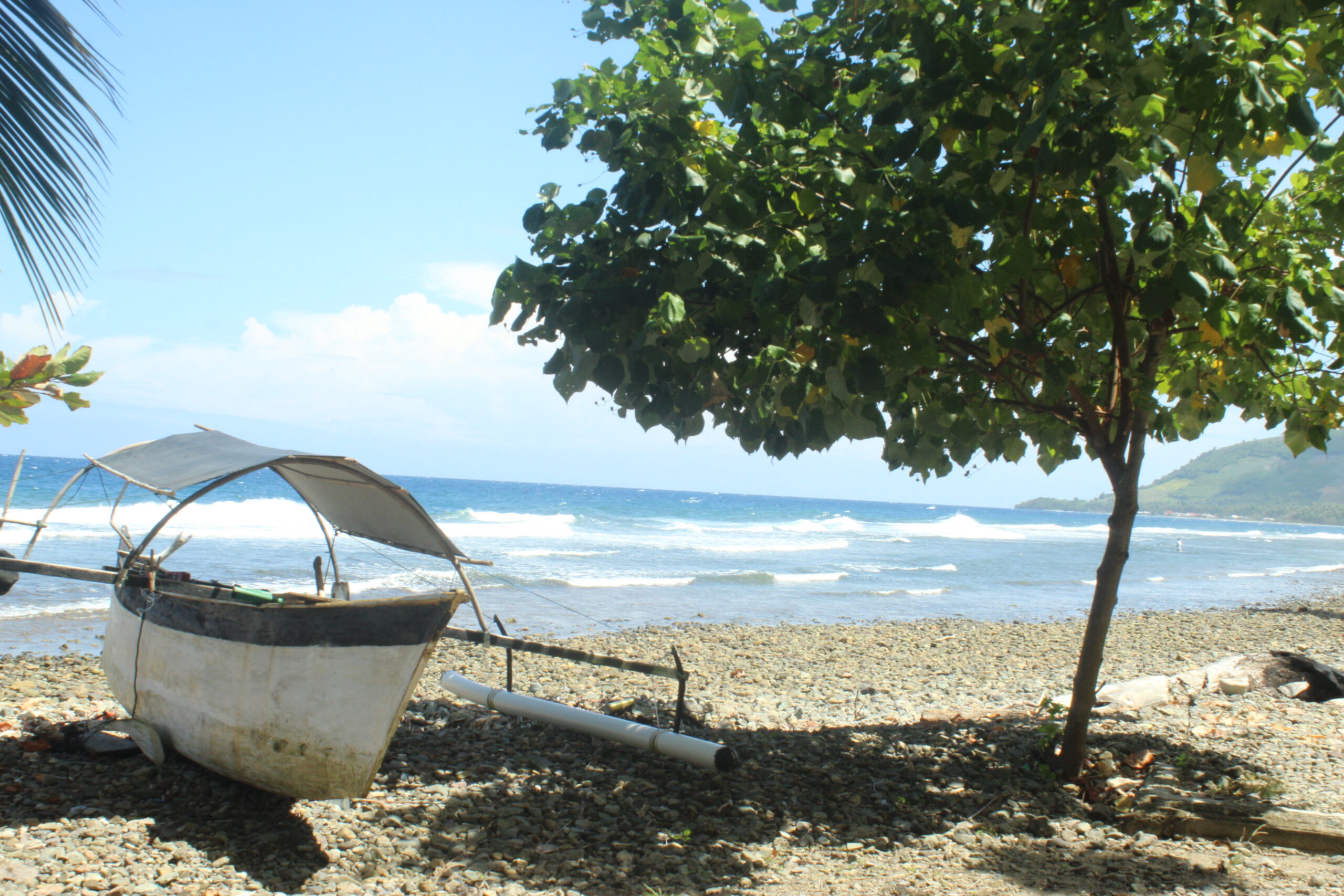
The service activities took place in Lobuto Timur Village, Biluhu District, Gorontalo Regency, Gorontalo Province. The village was selected due to its location within the Tomini Bay area, a region rich in marine ecosystems and maritime tourism potential. This geographical setting makes Lobuto Timur highly dependent on coastal resources while also offering immense potential if managed correctly. However, the village’s natural wealth has not yet fully translated into the well-being of its residents. These geographical and socio-economic conditions prompted the student team to select Lobuto Timur as the primary site for mapping the village’s potential and challenges. The village’s geography—situated between coastal and mountainous areas—has shaped the residents’ livelihoods, with farming and fishing remaining the dominant occupations. Unfortunately, there has been no effort to diversify fish catches or agricultural produce, causing their economic value to stagnate. Beyond economic concerns, environmental issues—particularly inadequate waste management—pose a significant challenge. The lack of a proper waste management system has led to poor environmental conditions, a situation exacerbated by low public awareness regarding the importance of waste management.
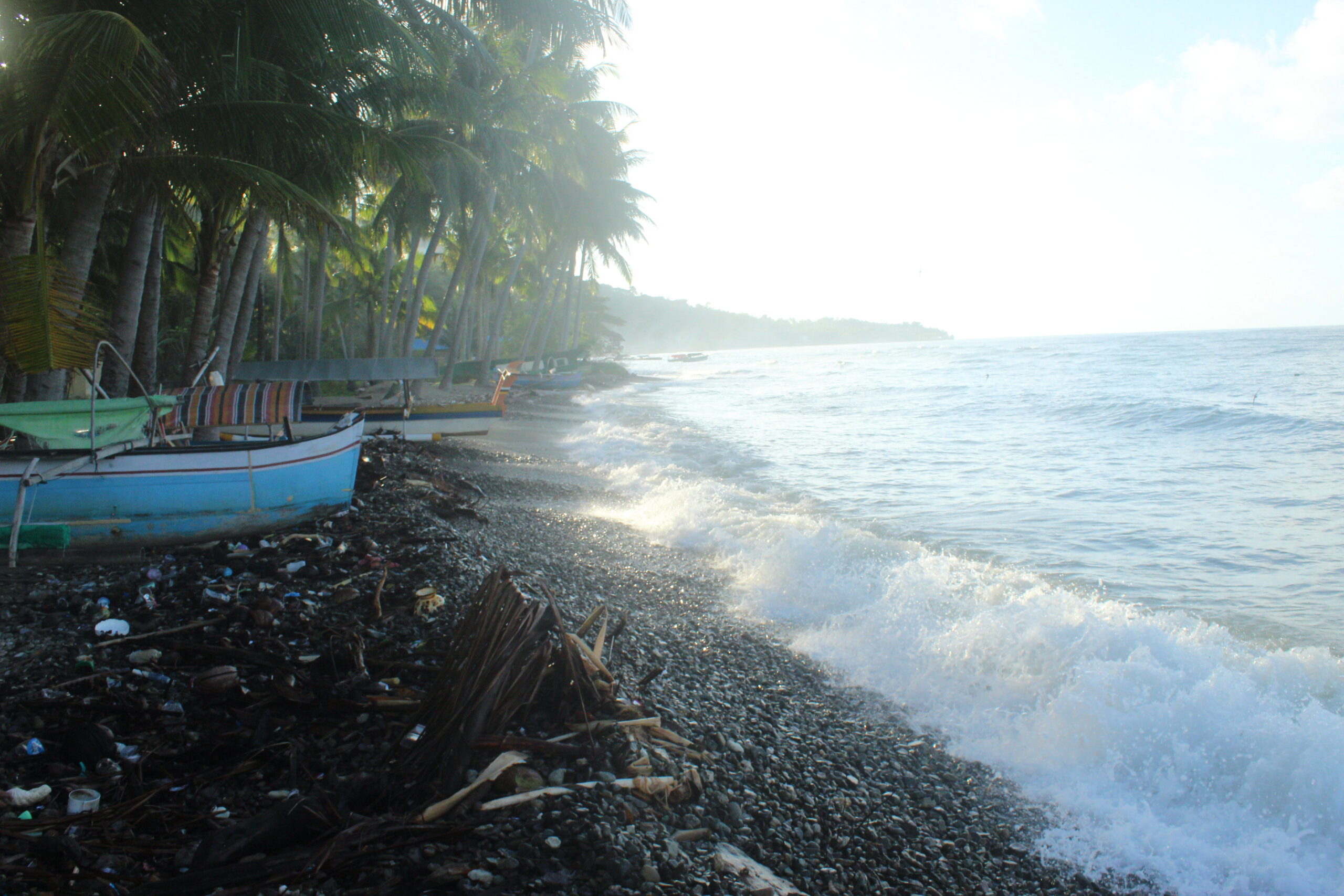
In response to these issues, a Community-Based Tourism (CBT) approach was selected as a strategy to strengthen tourism by emphasizing the active role of the local community at every stage of development. Aligned with this approach, the program involved a comprehensive mapping of the village’s potential, covering environmental, economic, social, and tourism aspects. Data collection was conducted through coordination with the Lobuto Timur Village Government, local business owners, and the community. The mapping results were subsequently compiled into policy recommendations to serve as a basis for developing a sustainable maritime tourism village.
Through these efforts, the program aligns with the Sustainable Development Goals (SDGs)—specifically Goal 3 (Good Health and Well-being), Goal 8 (Decent Work and Economic Growth), and Goal 14 (Life Below Water). By aligning with this global agenda, the program is expected to make a lasting contribution to the future development of Lobuto Timur Village.
Kirim masukan