
Artikel Berita
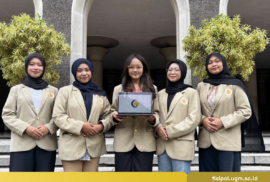
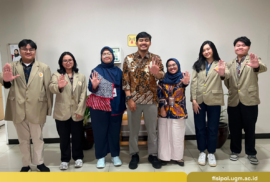
Yogyakarta, 10 September 2026—Tiga mahasiswa Fakultas Ilmu Sosial dan Ilmu Politik (FISIPOL) Universitas Gadjah Mada (UGM), yakni Widyastri Prabaningrum (Ilmu Komunikasi 2024), Nayla Devira Cahyani (Ilmu Komunikasi 2024), Upik Maulia (Pembangunan dan Kesejahteraan Sosial 2023), bersama dengan Rizki Laidha Putri ...
Yogyakarta, 8 September 2026─Sharing keseharian anak di TikTok tampaknya menjadi fenomena yang makin marak dilakukan oleh orang tua. Faktanya, sejumlah 82% orang tua pernah melakukan praktik sharenting ini (Stephenson dkk., 2024). Padahal, konten sharenting yang bertebaran di TikTok saat ini ...
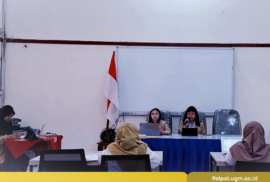
Cegah Peningkatan Kasus Klithih Jogja, Mahasiswa UGM Rumuskan Strategi Preventif Berbasis Budaya Jawa
08 September 2026
Yogyakarta, 8 September 2026─Mahasiswa Universitas Gadjah Mada (UGM) melalui Program Kreativitas Mahasiswa Riset Sosial Humaniora (PKM-RSH) merumuskan strategi preventif berbasis budaya Jawa untuk mencegah peningkatan kasus klithih di Yogyakarta. Riset dilaksanakan di Daerah Istimewa Yogyakarta mulai dari bulan Mei hingga ...

Beradaptasi dengan Derasnya Informasi, Laboratorium Big Data FISIPOL UGM Jadi Jawaban atas Kebutuhan Analisis Sosial yang Kian Mendesak
08 September 2026
Yogyakarta, 4 September 2026—Penggunaan data dalam ilmu sosial telah menjadi keniscayaan di tengah ledakan informasi digital. Menjawab kebutuhan mendesak tersebut, Fakultas Ilmu Sosial dan Ilmu Politik (FISIPOL) Universitas Gadjah Mada (UGM) mengoptimalkan Laboratorium Big Data Analytics sebagai pusat riset yang ...
Departemen





Publikasi Fisipol
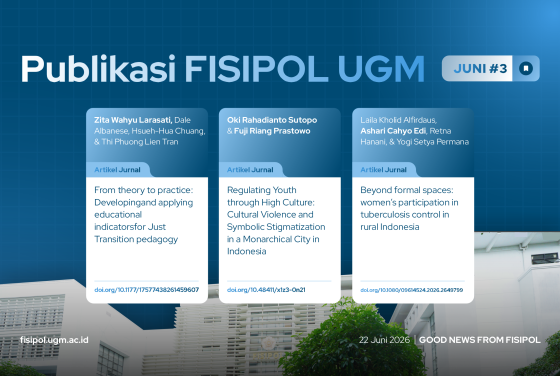
Publikasi Terbaru Juni #3
22 Juni 2026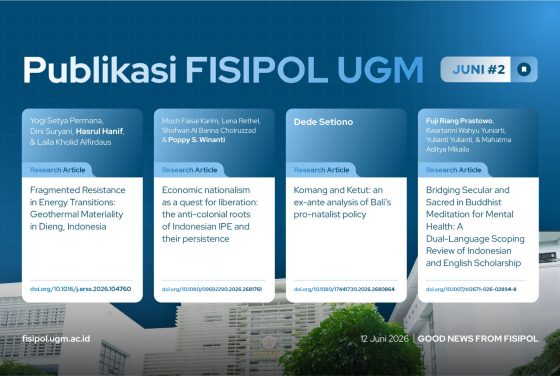
Publikasi Terbaru Edisi Juni #2
12 Juni 2026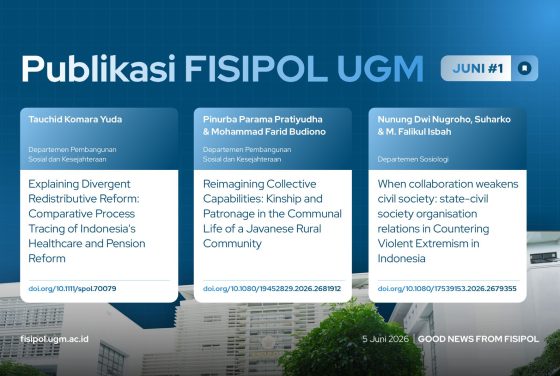
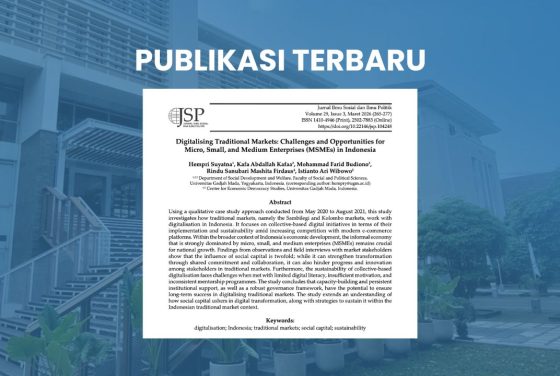
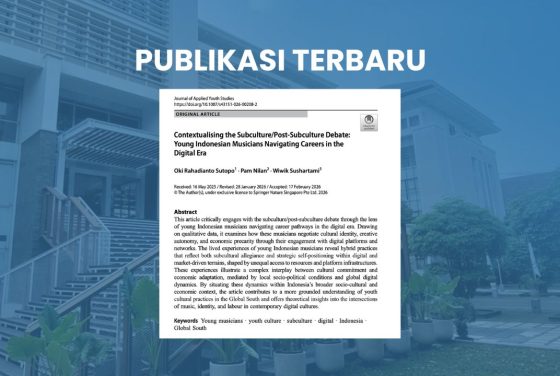
Fisipol Hari Ini

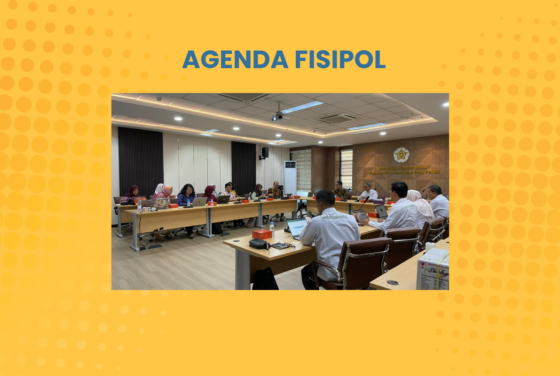
DMKP Fisipol UGM Terima Kunjungan FISIP Universitas Andalas
04 September 2026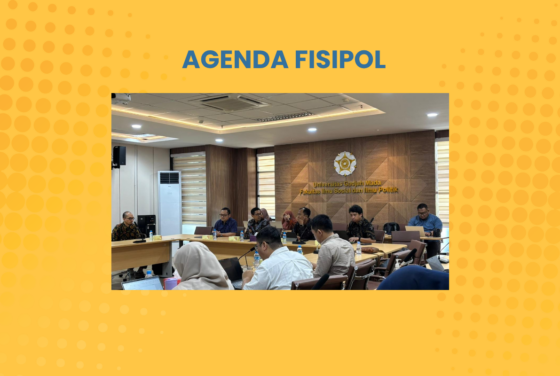
Fisipol UGM Jalani Pemeriksaan dengan Tujuan Tertentu (PDTT) oleh BPK
03 September 2026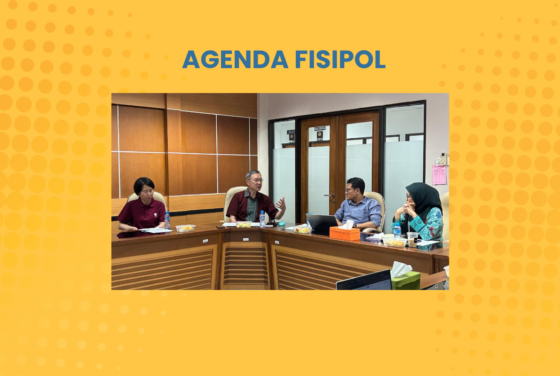
Pranala






Terhubung dengan Kami


